
Learning vs education
We recently finished reading Make it Stick at the Blackmill book club. The book talks about the science of learning and teaches how to become better at retaining what we learn using techniques such as spaced interleaved retrieval practice, elaboration, reflection, and more.
Throughout the book, it covers the topic of learning, not education. It says that the responsibility for learning rests with the individual, whereas the responsibility for education and training rests with the institution. The book starts with debunking the idea that teaching should be tailored to different learning styles of the individual students. Instead of trying to make learning easier for the student, we should make the process more deliberate, interactive, and effortful.
Retention of knowledge actually happens when we exert more deliberate effort to interact with the materials. Reading, highlighting, and re-reading materials feels like progress, giving us the illusion of knowledge, and may only help with short-term absorption (for example cramming before an exam). To retain information in a meaningful way, we need to continuously work at it, with small steps over a longer period of time. It reminds me of the concept in engineering practices of: in order to go fast, we need to go slow. It seems counter-intuitive, unproductive, and slow, but research and real world examples do support this approach.
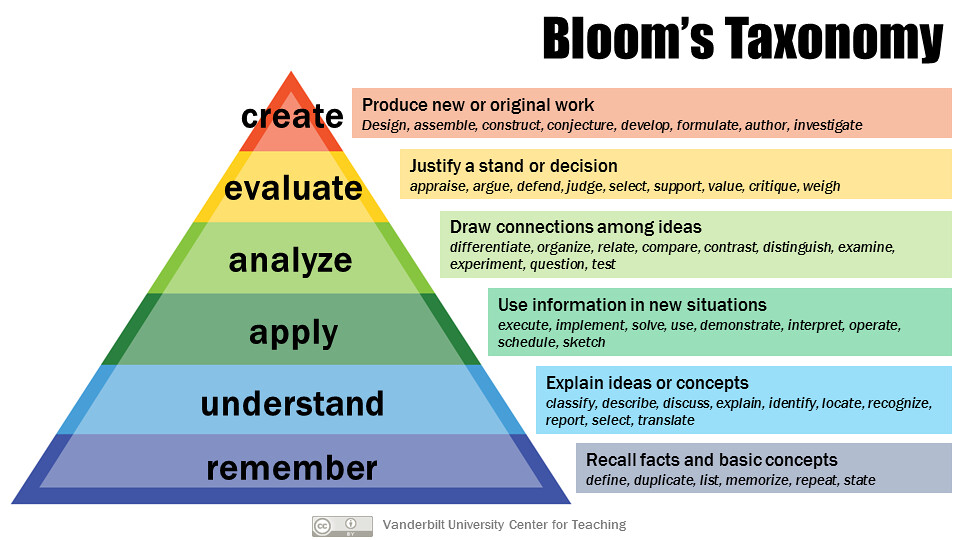
Reading this book made me realise that we follow some of its suggested techniques in our workshops where we follow Bloom's taxonomy for levels of learning. Participants are given the learning materials before the live workshop sessions. This allows them to digest the topics, dissect the ideas, come up with questions, and share examples with the cohort during the interactive discussions. Role playing is also an essential part of the workshop sessions. It serves as an engaging way to learn and practice new skills and avoids the notion of being "talked at" or "lectured". I also adopted the suggested technique for spaced repetition and quizzing from the book when working with associate developers, upskilling them in good engineering practices.
Traditional education focuses on teaching, not learning. It incorrectly assumes that for every ounce of teaching there is an ounce of learning by those who are taught. Remember that the objective of education is teaching and educating. At Blackmill, we believe in continuous learning and growth and thus we continue to fine-tune our workshops based on feedback we receive from participants.